Eliminated Garden Hazards
Remove dangerous falling fronds, toxic spines, and slippery dropped fruit that attract rodents and wasps.
Safe dismantling, frond cleaning, and stump removal for cold-climate palm species across Hackett.
Servicing residential properties across Hackett and the Inner North.
Whether dealing with an oversized Canary Island date palm or an unmanaged windmill palm, our palm tree removal Hackett team provides complete dismantling, cleaning, and stump removal.
Due to Canberra's sub-zero winter frosts, tropical species like cocos palms do not survive here. Hackett gardens instead feature cold-hardy palms, primarily large Canary Island date palms (Phoenix canariensis), windmill palms (Trachycarpus fortunei), and occasional cotton palms. Date palms in particular grow massive trunks that can easily exceed the 8m height or 1m trunk circumference regulated threshold under the ACT Urban Forest Act, requiring permit verification before removal.
Remove dangerous falling fronds, toxic spines, and slippery dropped fruit that attract rodents and wasps.
Clear wide, obstructive palm crowns to allow natural light back into your home, solar panels, and garden beds.
Grinding out the dense fibrous root ball ensures complete eradication with no subterranean obstructions left behind.
We evaluate palm species, height, trunk diameter, and check for regulated status under ACT law.
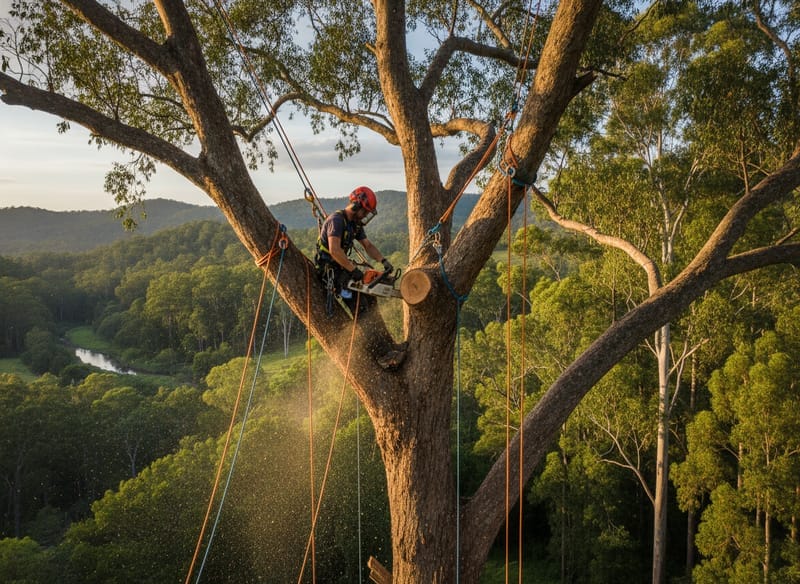
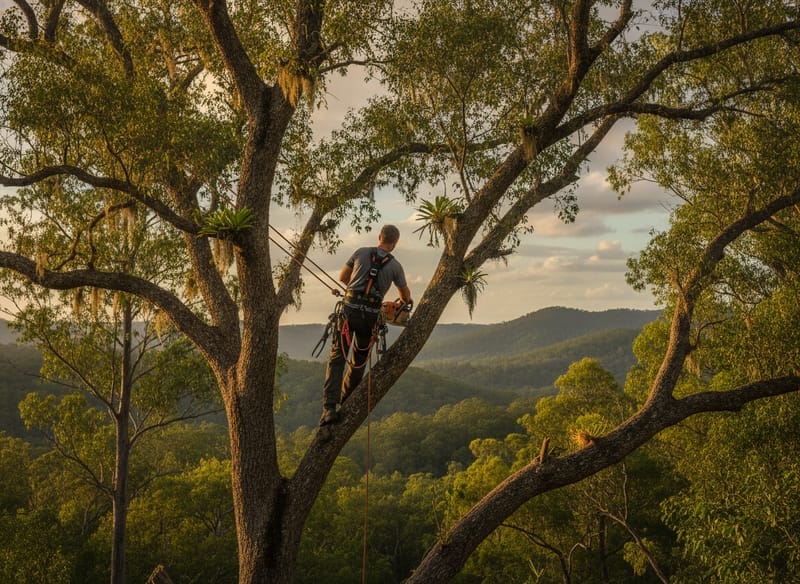
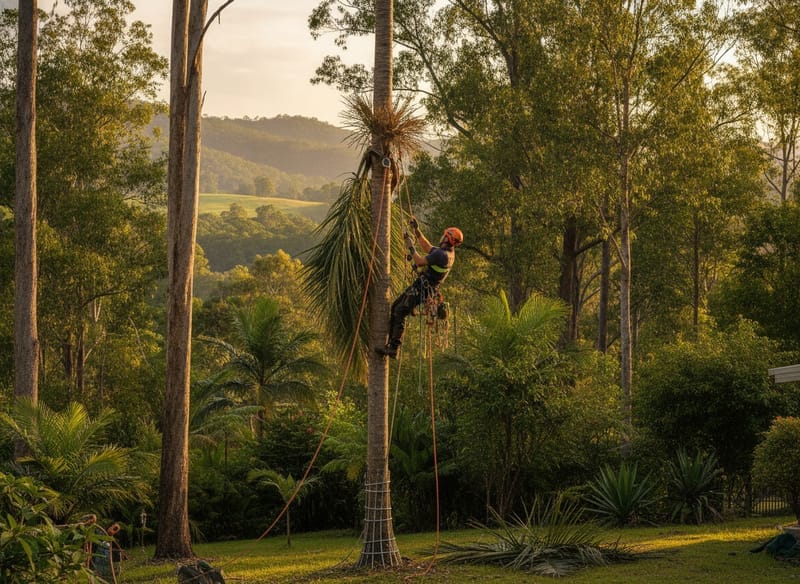
Our climber ascends the palm to remove lower fronds and seed pods, eliminating excess drop weight.
The trunk is cut into manageable 'barrels' and lowered using controlled arborist rigging.
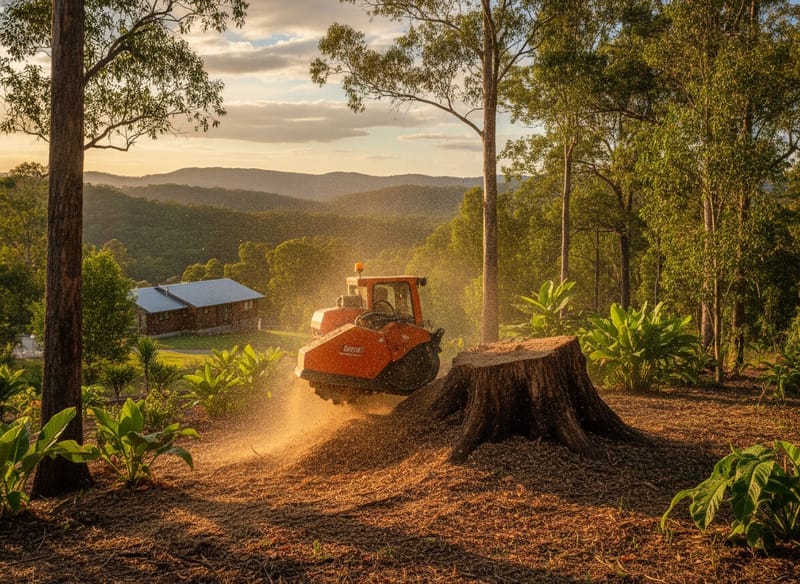
We grind out the fibrous root bulb 150mm to 300mm below ground level.
All fibrous trunk sections, spines, and mulch are raked up and hauled away.
Welcome to Canberra Arborist. While Canberra is famous for its majestic English elms and native eucalypts, the older gardens of the inner north often feature towering, cold-hardy palms that have eventually outgrown their space. If you need professional Palm Tree Removal Hackett, our local team is fully equipped to handle these heavy, fibrous giants.
Decades ago, large statement plantings like Canary Island Date Palms and towering Washingtonia fan palms were popular choices in suburban gardens. However, as these species mature on Hackett's narrow, established blocks, they can become significant liabilities. They often drop heavy, spiked fronds and massive seed pods onto roofs, driveways, and pedestrian paths.
Taking down a mature palm requires specialized climbing techniques, dedicated rigging gear, and an understanding of the local microclimates at the base of Mount Ainslie. Whether you are clearing space for an extension or removing a hazardous tree, our team knows exactly how to dismantle these palms safely, legally, and without leaving a trace of debris on your property.
Removing a towering Canary Island Date Palm or an overgrown Washingtonia is an entirely different undertaking from felling a standard native eucalypt. Palms do not possess traditional woody structures; instead, their trunks are highly fibrous, dense, and retain massive amounts of water. This makes the timber incredibly heavy, stringy, and highly prone to trapping chainsaws if handled by inexperienced operators.
Attempting DIY palm removal often ends in property damage or serious injury. The sheer weight of a collapsing frond skirt, the vicious spikes found on date palm fronds, or a misjudged trunk section can easily crush colorbond fences, sheds, and paving. Furthermore, under-qualified contractors often lack the specialized lowering gear and friction devices required for Hackett's tight residential blocks. Dropping heavy, water-logged palm rounds directly from height can fracture underground pipes, compact garden soil, and destroy your surrounding landscape.
When it comes to Palm Tree Removal Hackett, trusting a qualified arborist is the only way to ensure safety. Our team follows strict safety protocols and industry best practices. While AS4373 sets the standard for pruning our beautiful amenity trees, complete dismantling requires AQF Level 3 climbing and rigging expertise. By controlling every single piece of the palm as it descends, we eliminate the risk to your property and ensure the site is left immaculate.
Successfully dismantling a large palm in the established gardens of the inner north requires specific equipment and techniques tailored to fibrous, water-heavy trunks and dense, spiked frond skirts.
Unlike our local oaks or box gums, palms do not have a live cambium layer beneath the bark. This anatomical difference allows our AQF Level 3 climbing arborists to safely use palm spikes to scale the trunk to reach the canopy. For palms that are dead, structurally compromised, or inaccessible by rope, we utilize narrow-access spider lifts or bucket trucks to safely reach the crown without putting a climber at risk.
In Hackett's tight suburban blocks, we cannot simply fell a 15-metre Washingtonia palm from the base. We carefully remove the sharp frond skirt and heavy seed pods first, clearing the crown. We then cut the fibrous trunk into manageable rounds, lowering them securely using friction devices and heavy-duty rigging ropes. This ensures zero impact on the gardens, paths, and retaining walls below.
Palm material is notoriously difficult to process. The trunks are dense, stringy, and hold massive amounts of moisture, which easily clogs standard machinery. We process the leafy fronds using high-capacity wood chippers, while the heavy, fibrous trunk rounds are manually loaded or crane-lifted into our tipper trucks for dedicated off-site green waste processing, as palm mulch is generally unsuitable for garden beds.
Palm root systems are shallow but extremely dense and fibrous, resembling a massive, solid root ball rather than spreading timber roots. Once the trunk is removed safely, we deploy high-powered stump grinders to mill the stump 150 to 300 millimetres below natural ground level. This process effectively destroys the root mass, allowing you to seamlessly replant the area or lay fresh turf.
Getting a palm tree safely removed from your property involves a structured, highly organized process to ensure zero damage to your landscape and total compliance with ACT Government requirements.
First, we visit your site to assess the palm's size, condition, and any access limitations on your block. We check if the palm triggers the 8-metre height, 8-metre canopy spread, or 1-metre trunk circumference thresholds under the Urban Forest Act 2023. If the palm is a regulated tree, we guide you through the Tree Activity Application process online. Because approvals can take up to 35 working days, we help ensure your application is supported by sound reasoning, such as property damage or the tree being an inappropriate species for the location.
Once the ACT Government approves the removal, our crew arrives fully equipped with specialized climbing gear, top-handle chainsaws, and heavy-duty rigging equipment. For difficult access blocks backing onto the Mount Ainslie reserve, we set up advanced rope-access systems. The climber ascends the palm, clears the dead and living fronds, and lowers heavy seed pods safely to the designated drop zone.
The trunk is then blocked down in measured sections. Because palm wood is extremely fibrous and unsuitable for standard garden mulch, we load all trunk rounds and chipped frond material directly into our tipper trucks. If your approval includes a Canopy Contribution Agreement, we can advise on planting suitable replacement trees. Finally, we sweep and rake the site clean, leaving your garden spotless.
At Canberra Arborist, every removal or major pruning job is conducted by fully qualified AQF Level 3 certified climbing arborists. If your development or building application requires an assessment of protected trees under AS4970, our AQF Level 5 consulting arborist can provide the necessary Tree Management Plans and reports required by the ACT Government.
We maintain comprehensive public liability and WorkCover insurance, ensuring your Hackett property and our team are fully protected throughout the project. Our crew strictly adheres to AS4373 guidelines for any necessary pruning of surrounding amenity trees during site access. From elevated work platform tickets to traffic management for roadside crane work, our team holds all required licenses for safe, legally compliant tree operations in the Australian Capital Territory.
Navigating tree removal in Hackett requires a deep understanding of both the local terrain and strict ACT Government regulations. Situated at the base of Mount Ainslie, properties here often feature sloping blocks, narrow rear lane access, and a mix of established natives like Blakely's red gum and introduced statement trees like Canary Island Date Palms.
In Canberra, there is no local council; the ACT Government manages all tree regulations under the Urban Forest Act 2023. Any tree—including a palm—that is 8 metres or taller, has a canopy 8 metres wide, or a trunk circumference of 1 metre at 1.4 metres above ground is a regulated tree. You cannot remove or significantly alter it without a formal Tree Activity Application and approval.
Furthermore, because Hackett sits adjacent to Canberra Nature Park, many properties fall within the ACT Bushfire Prone Area mapped by the Emergency Services Agency. Even for hazard reduction, removing a regulated palm requires formal authorization. We handle the technical assessments to ensure your application is accurate, compliant, and clearly demonstrates the grounds for removal.
Once your palm has been removed and the stump ground, the immediate area may experience slight soil settling as the fibrous root mass breaks down. We recommend filling any remaining depression with quality topsoil. If your removal approval included a Canopy Contribution Agreement, this is the perfect time to plant your replacement trees and keep them well-watered to establish their roots before the hot Canberra summer. If you have other palms retained on your property, they require regular, professional upkeep. We highly recommend booking an annual crown clean to remove dead, hanging fronds and heavy seed pods before they become a hazard. If you notice yellowing fronds, sudden leaning, or signs of fungal decay in your remaining palms, contact our team for an expert assessment.
Palm removal pricing in Hackett is based on palm height, species, spine hazards, and site access.
We provide upfront, transparent quotes covering complete dismantling, stump grinding, and waste disposal.
We provide palm tree removal and maintenance throughout Hackett and Canberra.
Contact our qualified team today for safe dismantling, frond trimming, and stump grinding.
Get a Palm Removal Quote